

Meniscus repair surgery in Secunderabad and Hyderabad
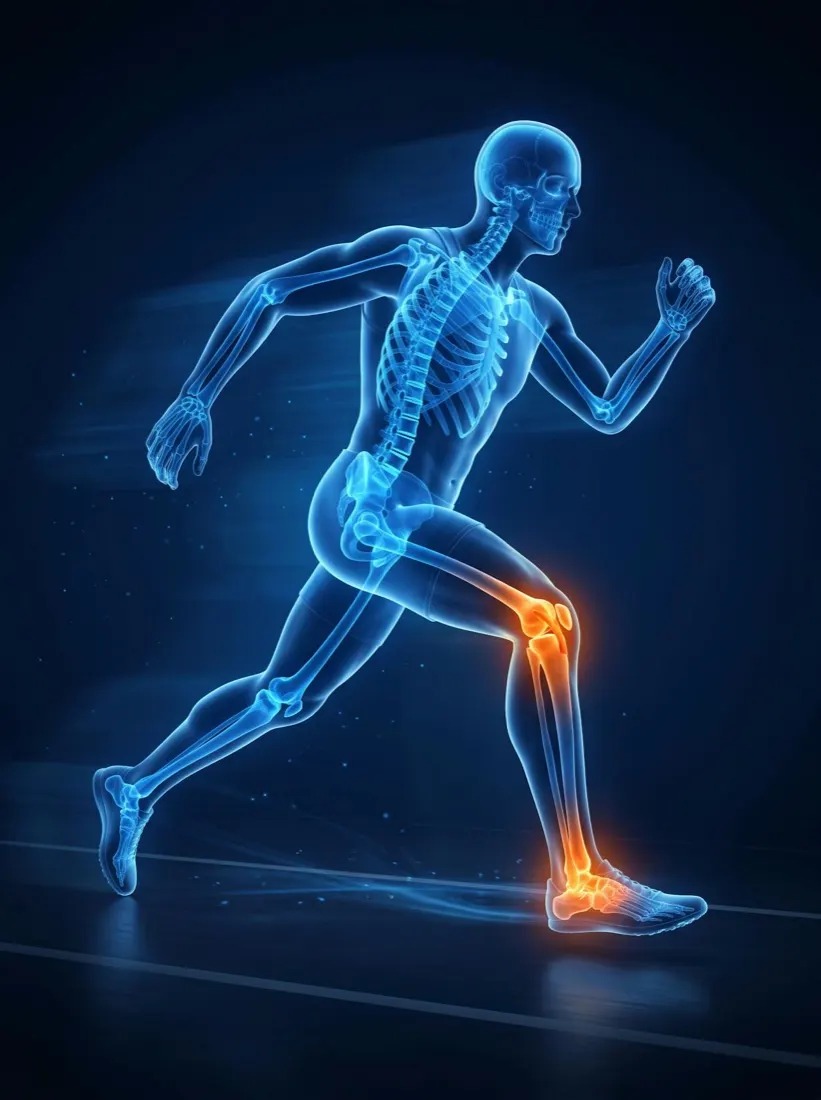
Each knee has two menisci, C-shaped pads of cartilage that cushion the joint and spread your body weight. A meniscus can tear with a sudden twist during sport, or wear and tear gradually with age. A torn meniscus causes pain, swelling and sometimes a knee that locks or catches.
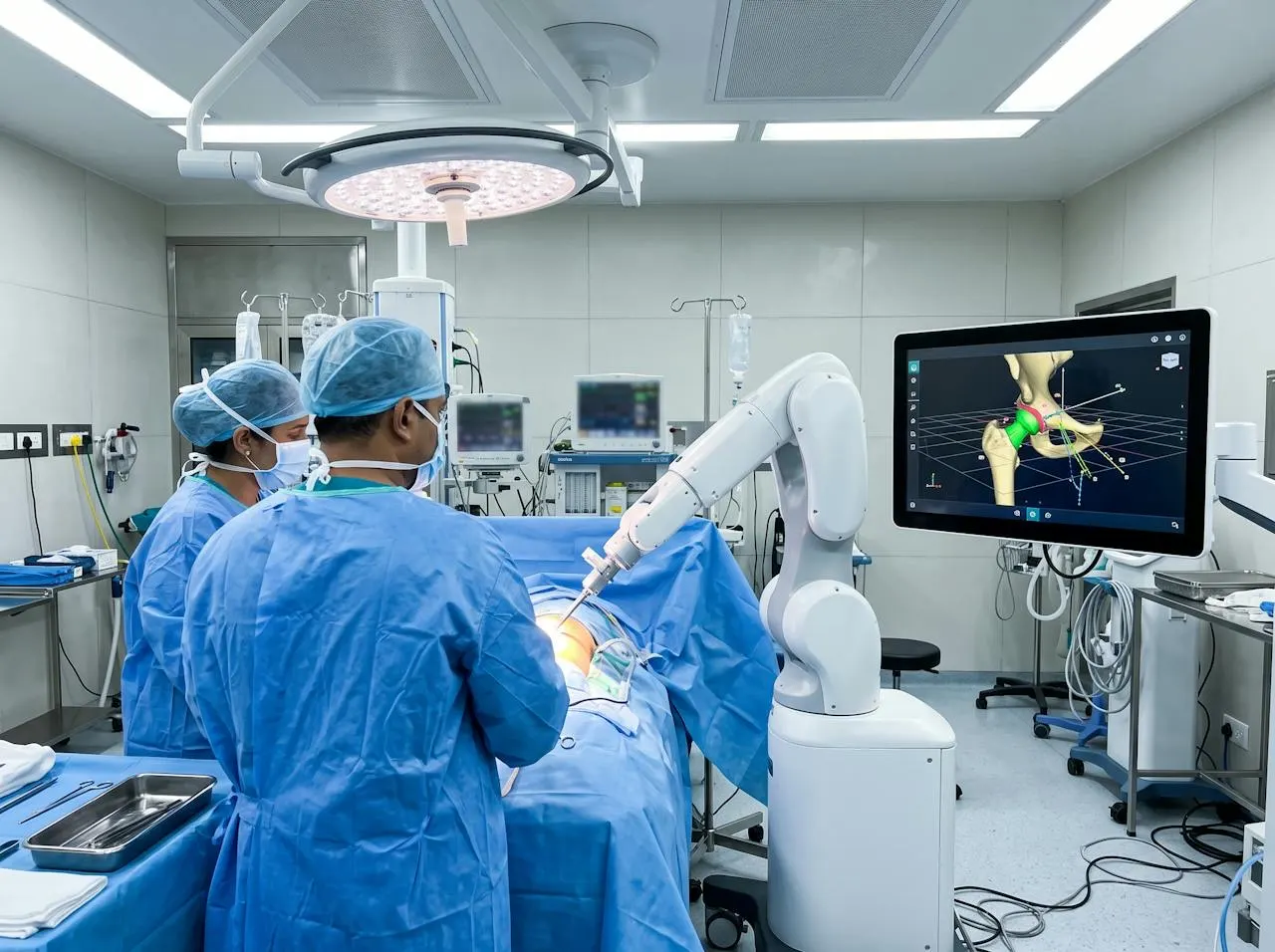
Meniscus repair key hole surgery uses small incisions and fine instruments to stitch the torn edges back together, guided by a tiny camera (arthroscope). Compared with open surgery, this usually means smaller scars, less pain after surgery and a quicker recovery.
Saving the meniscus matters. Removing too much of it can increase the load on the knee and raise the risk of arthritis later. Dr. Arun Dev evaluates the type and extent of your tear and recommends the treatment that best protects your knee.
Signs of a meniscus tear
Meniscus tears often happen with:
See a knee specialist if you notice:
- Pain along the inner or outer side of the knee
- Swelling or stiffness after an injury
- A catching or locking feeling
- Difficulty bending or straightening the knee fully
- The knee giving way
- Pain when squatting, twisting or climbing stairs
Treatment options for a meniscus tear
Treatment depends on the size, type and location of the tear, your age and your activity level. An MRI scan shows the tear in detail.
How meniscus repair key hole surgery is done
The operation is usually done under spinal or general anaesthesia. The main steps are:
- Small incisions. Two or three small cuts are made around the knee.
- Looking inside the knee. An arthroscope shows the meniscus on a screen so the tear can be assessed.
- Preparing the tear. The torn edges are cleaned to encourage healing.
- Stitching the meniscus. Special sutures or devices hold the torn edges together while they heal.
- Closing up. The small cuts are closed and the knee is protected, sometimes with a brace.
Benefits of meniscus repair
Recovery after meniscus repair
A repaired meniscus needs time to heal, so you may be asked to protect the knee at first. The physiotherapy team guides you back to full activity.
- First days Protected walking You walk with support, sometimes with a brace, and begin gentle exercises.
- Healing phase Weight-bearing and bending increase step by step as the repair heals.
- Building strength Strength and balance training help the knee get back to normal activity.
- Return to sport Return to twisting and contact sport when Dr. Arun confirms the knee is ready.
Before you decide
- Not every tear can be repaired. The tear’s position and pattern decide whether repair is possible; Dr. Arun explains this from your MRI.
- Follow the healing rules. Protecting the knee in the early weeks gives the repair the best chance to heal.
- Treat the cause. If an ACL tear caused the damage, treating it helps protect the repaired meniscus.