
What is knee joint preservation surgery?
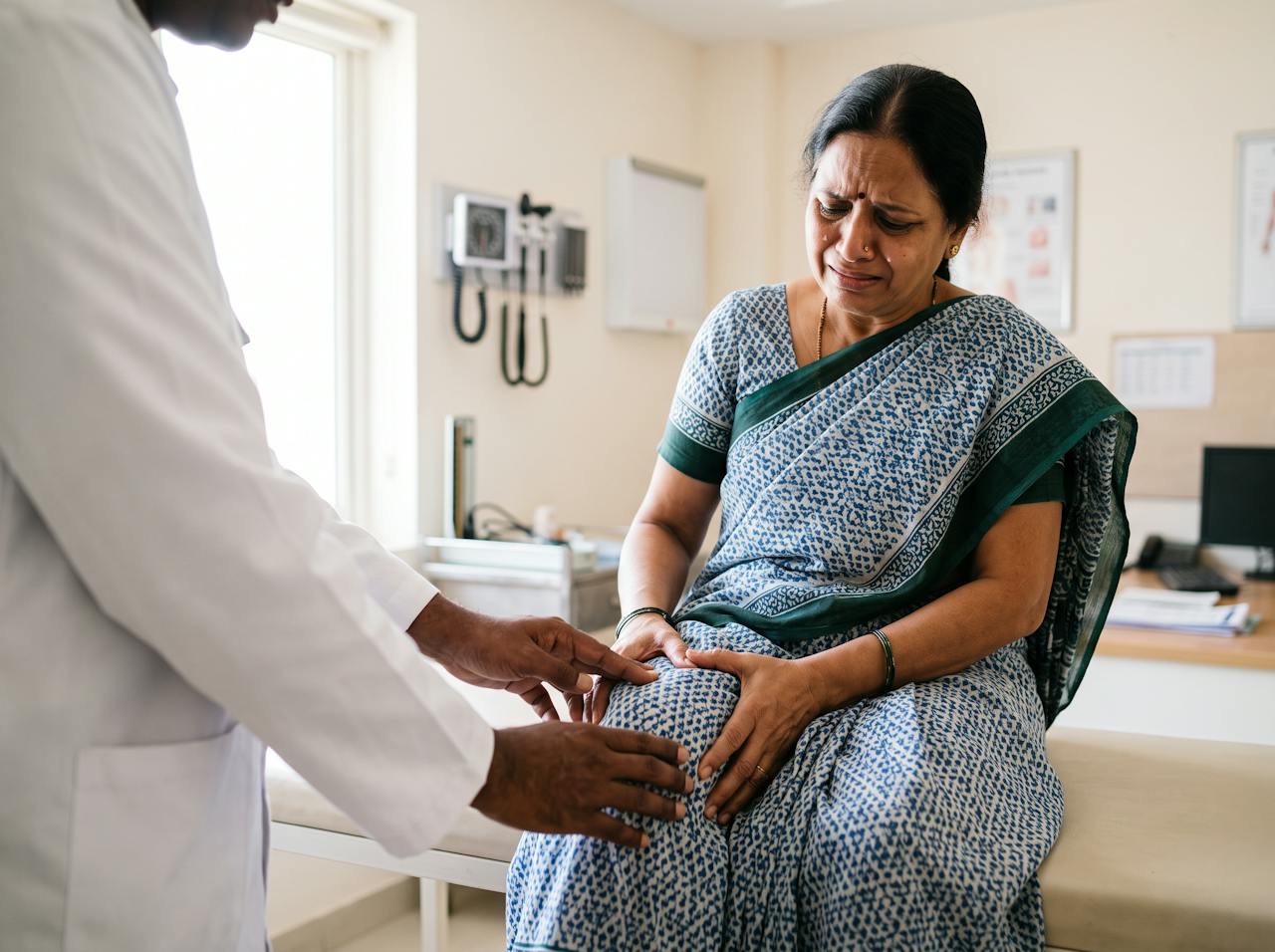
Knee joint preservation surgeries are procedures that repair a damaged knee, relieve pain and restore function, so you can keep your natural knee for longer. They aim to delay or avoid the need for total knee replacement, especially in younger and active patients.
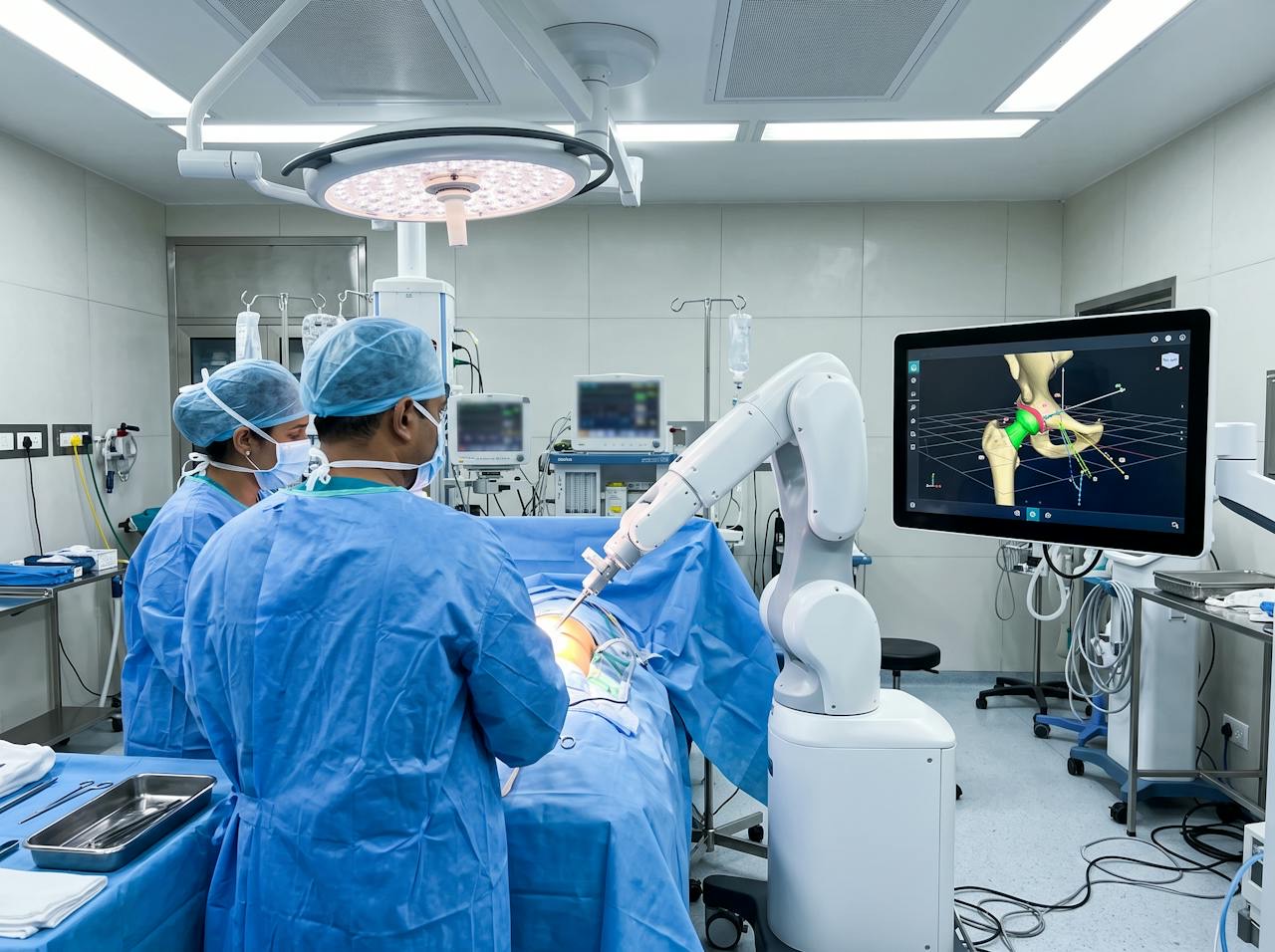
Depending on the problem, preservation can mean repairing a torn ligament or meniscus, regrowing damaged cartilage, or realigning the leg bones to take pressure off a worn part of the knee. Many of these procedures are done through key hole surgery.
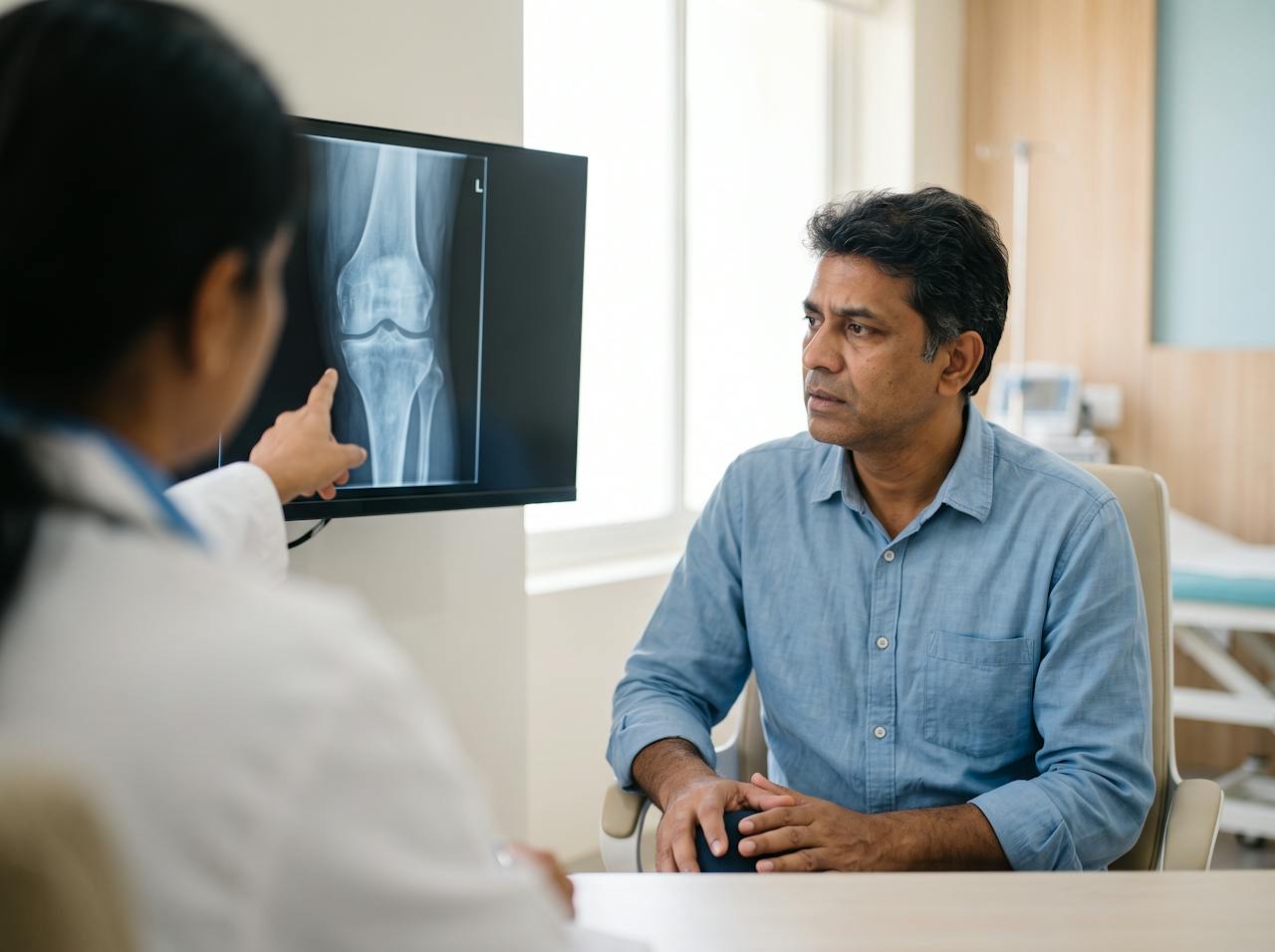
Dr. Arun Dev assesses your X-rays and MRI to see whether your knee can be preserved, and explains every option, from physiotherapy and injections to surgery, at Renova Hospital, Kompally, for patients across Secunderabad and Hyderabad.
Who can benefit from knee preservation?
Preservation surgery is considered for:
It may suit you if:
- You are relatively young or very active
- Knee pain is limited to one part of the knee
- Your knee is slightly bow-legged or knock-kneed
- An injury has damaged cartilage, a ligament or the meniscus
- Arthritis is at an early stage on X-ray
- You want to delay knee replacement for as long as possible
Your knee treatment pathway
Preservation sits between non-surgical treatment and joint replacement. Dr. Arun recommends the least invasive option that can work for your knee.
Types of knee preservation surgery
Dr. Arun chooses the procedure, or combination of procedures, that matches the damage in your knee:
- Arthroscopy. A minimally invasive procedure in which a tiny camera and fine instruments are passed through small cuts to repair or remove damaged tissue and trim cartilage.
- Osteotomy. For a misaligned knee, a wedge of bone is removed or added near the joint to shift weight away from the worn area and protect the natural joint.
- Cartilage restoration. Techniques such as microfracture, mosaicplasty and autologous chondrocyte implantation (ACI) help repair or regrow damaged cartilage.
- Ligament reconstruction. A torn ligament, such as the ACL, is replaced with a graft, usually from your own tissue, to restore stability.
- Meniscus repair or transplantation. A torn meniscus is stitched, or replaced when severely damaged, to keep the knee’s shock absorption.
Benefits of knee preservation surgery
Recovery after knee preservation surgery
Recovery depends on the procedure. Key hole procedures usually allow a quicker return to daily life, while osteotomy and cartilage restoration need a longer period of protected walking.
- First days Walking with support Physiotherapy begins and you walk with support as advised.
- [First 6 weeks] Protected healing Weight-bearing increases step by step as the repair or bone heals.
- [Months 2 to 4] Strength and movement Exercises rebuild strength, balance and range of movement.
- [Months 4 to 6] Back to activity Return to more demanding activity when Dr. Arun confirms the knee is ready.
Before you decide
- Timing matters. Preservation works best before arthritis becomes advanced, so early assessment helps.
- Rehabilitation commitment. Your result depends on keeping up with physiotherapy after surgery.
- Not every knee can be preserved. Dr. Arun explains honestly whether preservation or replacement is the better choice for you.