Arthroscopic ACL reconstruction in Secunderabad
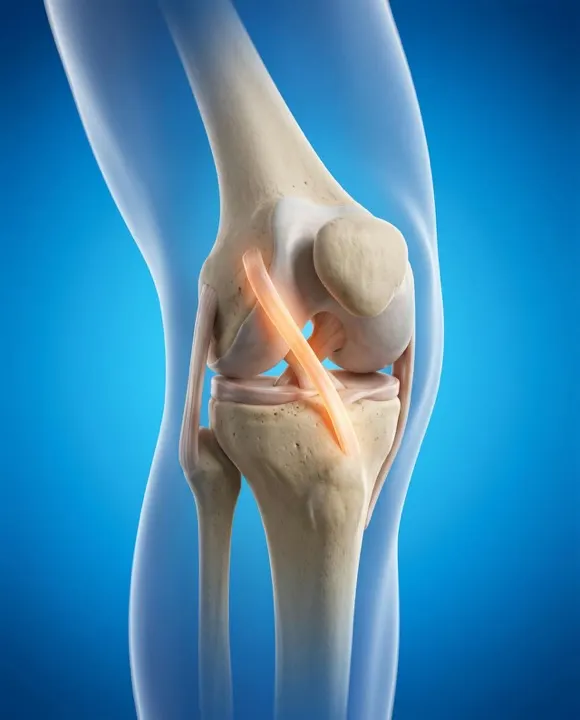
The anterior cruciate ligament (ACL) is one of the main ligaments that keeps the knee stable. It is often torn during sport, a sudden twist, a fall or a road accident. A torn ACL does not heal on its own, and the knee may keep giving way.
ACL reconstruction replaces the torn ligament with a graft, usually taken from your own hamstring or patellar tendon. Dr. Arun Dev performs it through key hole surgery (arthroscopy): a tiny camera and fine instruments are passed through small cuts around the knee, so there is less damage to surrounding tissue and smaller scars than with open surgery.
Leaving an ACL tear untreated can lead to further damage, such as meniscus tears and early arthritis. Patients across Secunderabad, Kompally and Hyderabad see Dr. Arun at Renova Hospital for assessment, surgery and a structured return to activity.
Signs of an ACL tear
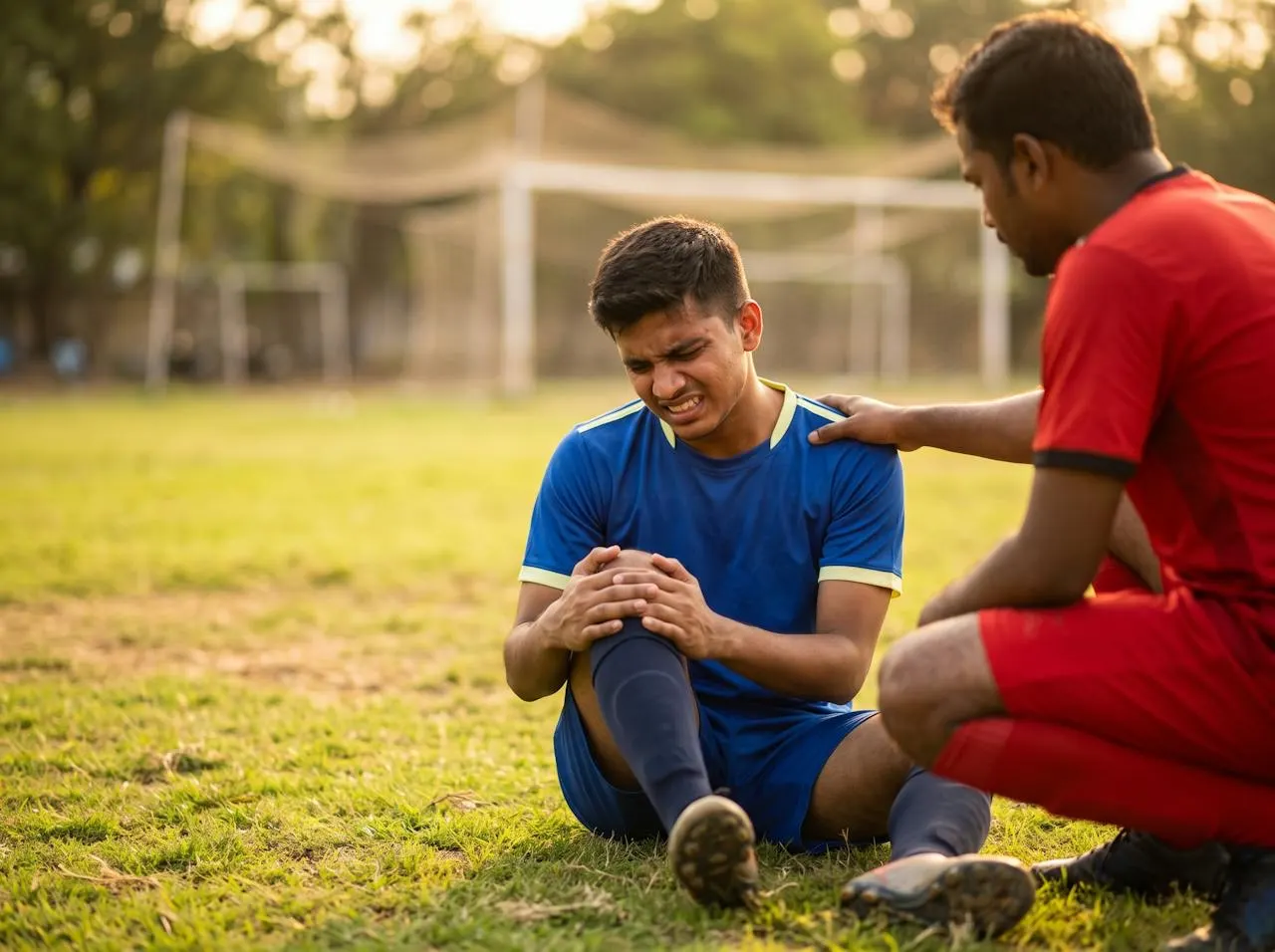
ACL injuries are common in these situations:
See a knee specialist if you have:
- A pop in the knee at the time of injury
- Swelling within hours of the injury
- The knee giving way when you turn or pivot
- Difficulty trusting the knee on stairs or slopes
- Pain and stiffness that limit sport or work
- A second injury, such as a meniscus tear, after an old ACL injury
Treatment options for an ACL tear
The right treatment depends on how active you are, whether the knee is unstable and whether other parts of the knee are injured. An MRI scan helps Dr. Arun decide.
How ACL key hole surgery is done
ACL reconstruction is usually done under spinal or general anaesthesia. The main steps are:
- Examining the knee. Through small cuts, an arthroscope (tiny camera) shows the inside of the knee on a screen, and any other injuries are checked.
- Preparing the graft. A tendon graft, usually from your own hamstring or patellar tendon, is taken and prepared to the right size.
- Making the tunnels. Small tunnels are drilled in the thigh bone and shin bone where the original ligament was attached.
- Fixing the new ligament. The graft is passed through the tunnels and fixed securely, restoring the knee’s stability.
- Closing up. The small cuts are closed and covered, and the knee is placed in a brace if needed.
Benefits of key hole ACL surgery
Recovery after ACL surgery
Rehabilitation is as important as the operation. The physiotherapy team guides you through each stage, from bending and walking to strength and sport-specific training.
- First days Walking with support Physiotherapy begins and you walk with support, often with a knee brace.
- Movement and walking Bending improves and you walk without support as the knee settles.
- Strength and jogging Muscle strength builds, and light running may begin when Dr. Arun advises.
- Return to sport Sport-specific training before returning to pivoting or contact sport.
Before you decide
- Early assessment helps. An untreated ACL tear can lead to meniscus and cartilage damage over time.
- Rehabilitation takes time. Sticking to your exercise programme makes the biggest difference to the result.
- Your goals matter. Tell Dr. Arun about your work and sport so the plan fits your life.