
Shoulder ligament and rotator cuff surgery
Shoulder ligament and tendon injuries are common in athletes and in people whose work or sport involves repeated overhead movements. They cause pain, weakness and limited movement, and some do not heal without surgery.
The shoulder is held stable by a group of ligaments, the most important being the glenohumeral ligaments, along with the coracohumeral and transverse humeral ligaments. Together with the rotator cuff muscles and tendons, they keep the ball of the upper arm centred in the socket and stop it dislocating.
Shoulder ligament surgery repairs or reconstructs these damaged structures. Most procedures are done arthroscopically, through small cuts with a camera and fine instruments; more severe injuries may need open surgery or a graft. Dr. Arun Dev assesses every patient with a physical examination, X-rays and MRI before recommending surgery, and recommends it only when it will genuinely help.
Types of shoulder ligament injury
Injuries that may need surgery include:
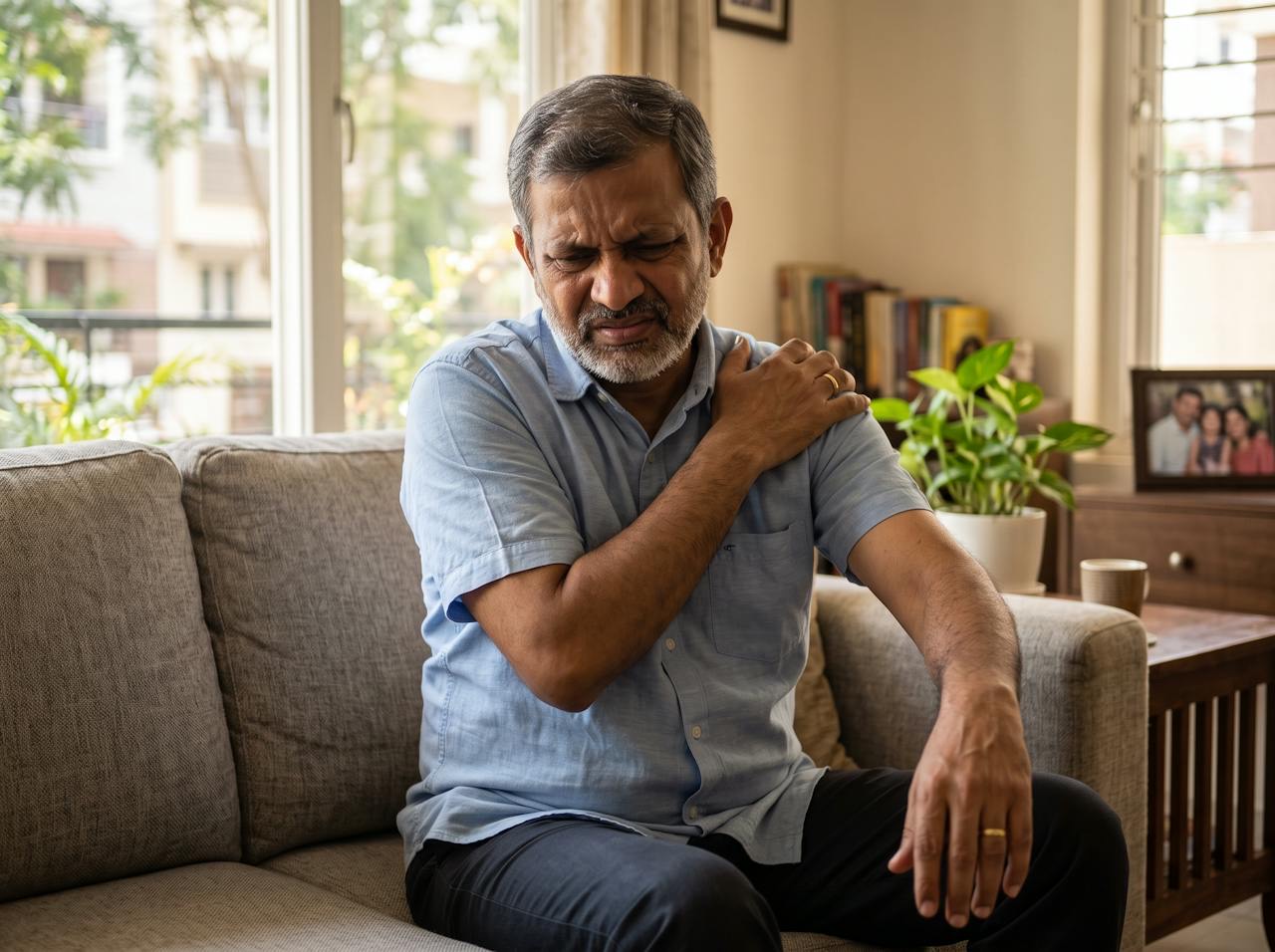
See a shoulder specialist if you notice:
- Pain when lifting your arm or reaching overhead
- Shoulder pain at night, especially lying on that side
- Weakness lifting or carrying objects
- A clicking, catching or popping feeling
- Reduced throwing or overhead strength in sport
- Pain after a fall, accident or sports injury
Treatment options
Surgery is recommended only for significant damage that cannot be treated effectively without it.
How key hole shoulder surgery is done
Arthroscopic shoulder surgery is usually done under general anaesthesia, often with a nerve block for pain relief. The main steps are:
- Small incisions. Two or three small cuts are made around the shoulder.
- Looking inside the joint. An arthroscope shows the tendons, labrum and ligaments on a screen so the damage can be assessed.
- Preparing the bone. The area where the tendon or labrum attaches is cleaned to help it heal.
- Repairing the tear. Small anchors and strong sutures reattach the torn rotator cuff tendon, labrum or ligament to the bone.
- Closing up. The small cuts are closed, and your arm is supported in a sling.
Benefits of key hole shoulder surgery
Recovery after shoulder ligament surgery
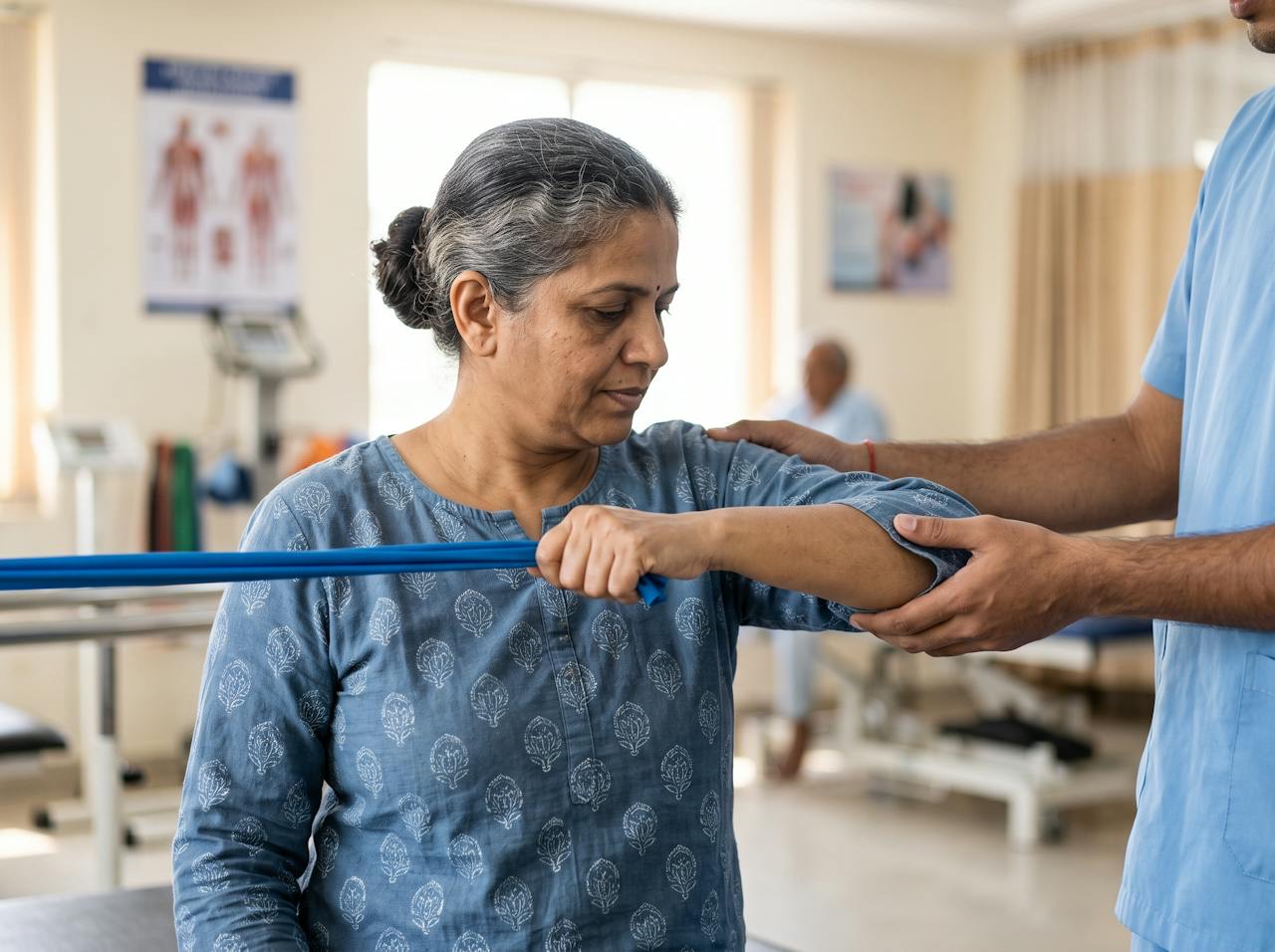
Recovery can take time, and following your rehabilitation programme is essential for a successful result. The physiotherapy team guides each stage.
- First days Sling and pain control Your arm rests in a sling and gentle hand and elbow exercises begin.
- [Weeks 1 to 6] Protected movement Guided exercises gradually increase movement while the repair heals.
- [Weeks 6 to 12] Active movement and strength You start using the arm more and build strength.
- [Around 4 to 6 months] Back to work and sport Return to heavy lifting and overhead sport when Dr. Arun advises.
Before you decide
- Early treatment helps. Large or old rotator cuff tears can become harder to repair over time.
- Rehabilitation takes time. Sticking to the exercise programme makes the biggest difference.
- Informed decision. Dr. Arun discusses the risks and benefits with you so you can decide with confidence.