

Paediatric fracture treatment in Secunderabad and Hyderabad
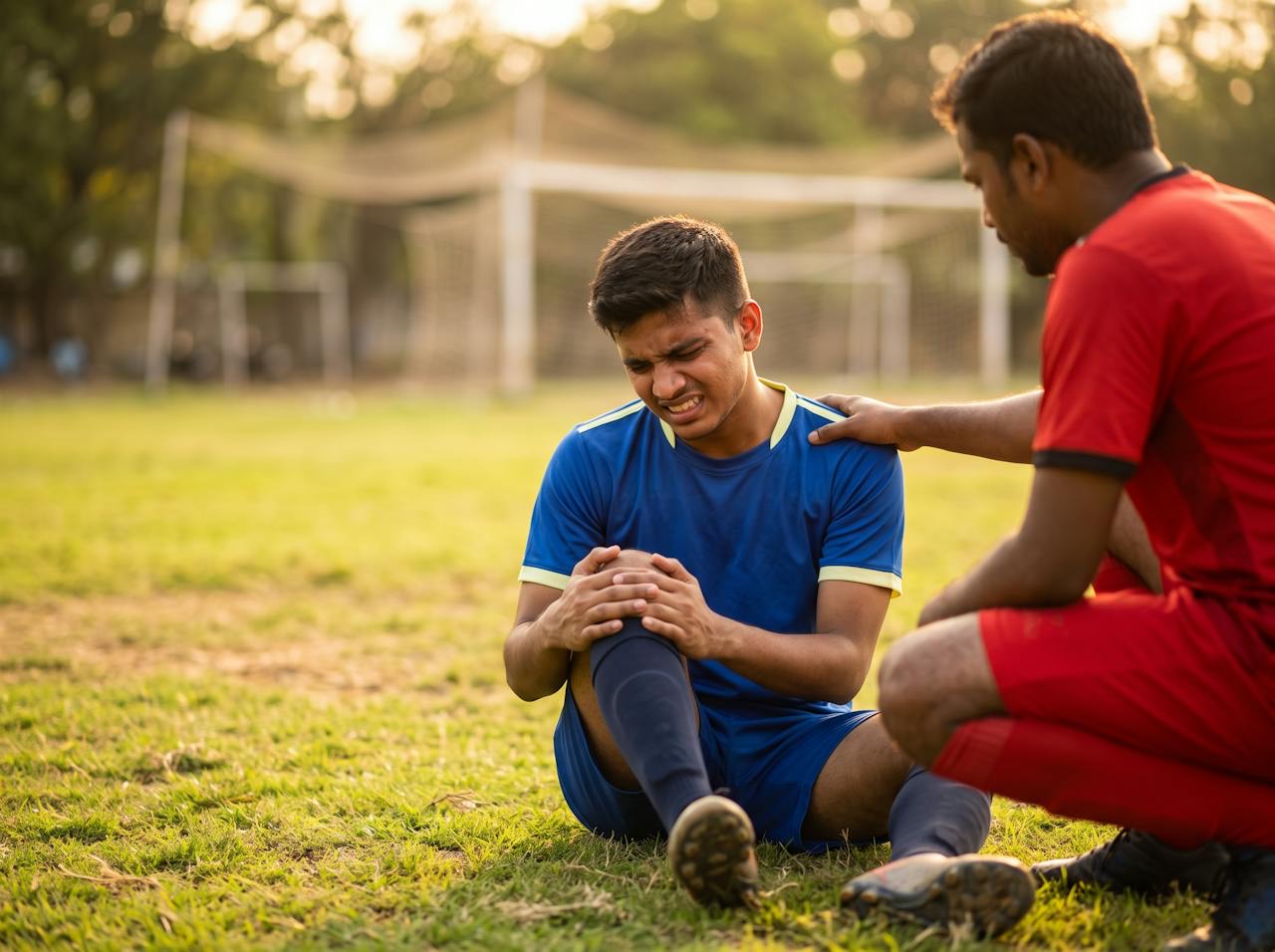
Fractures are common in children, especially those who are active in sport and play. They are painful and stressful for both the child and the parents, but with the right treatment most children’s fractures heal very well.
Children’s bones are softer and more flexible than adults’, and they have growth plates: areas of developing cartilage near the ends of long bones that control growth. Growth plates are weaker than mature bone, so injuries around them need careful assessment to protect future growth.
Choosing a doctor experienced in treating children matters. Dr. Arun Dev treats paediatric fractures at Renova Hospital, Kompally, using casting, splinting and, only when necessary, surgery, so that young patients recover quickly and safely. Families come from Secunderabad, Alwal, Bowenpally and across Hyderabad.
Types and signs of fractures in children
Common types of fractures in children:
Take your child to an orthopaedic doctor if you notice:
- Pain, swelling or bruising after a fall or sports injury
- Refusing to use an arm or put weight on a leg
- A limb that looks bent or out of shape
- Pain over a joint, especially the elbow, wrist or ankle
- A limp that does not settle
- Stiffness or reduced movement weeks after an injury
Treatment options for children’s fractures
Treatment depends on the type, location and severity of the fracture and the child’s age.
Growth plate injuries (Salter-Harris types)
Growth plate fractures are graded from Type I to Type V. The type guides treatment and how closely growth needs to be monitored:
- Type I. The fracture runs straight through the growth plate.
- Type II. The fracture passes through the growth plate and extends up into the bone. This is the most common type.
- Type III. The fracture passes through the growth plate and into the joint surface.
- Type IV. The fracture crosses the bone, the growth plate and the joint surface.
- Type V. The growth plate is crushed (compressed), which can affect future growth.
Rehabilitation after a child’s fracture
Recovery after a child’s fracture
Children usually heal faster than adults. Following the rehabilitation plan closely helps ensure a full recovery.
- First days Rest and pain relief The limb is kept raised and pain is controlled.
- [Weeks 3 to 6] Healing in a cast Most children’s fractures heal within this time; X-rays check progress.
- [After the cast] Movement returns Gentle exercises restore movement and strength.
- [Months later] Growth check For growth plate injuries, follow-up checks that the limb grows normally.
For parents
- Get an X-ray early. Swelling that looks simple can hide a fracture, especially around the elbow.
- Avoid massage and bone setters. Repeated manipulation without imaging can damage the growth plate and joint.
- Keep follow-up appointments. Regular reviews make sure the bone heals and grows straight.