

Orthopaedic treatment after road traffic accidents
Road traffic accidents are a leading cause of death and disability worldwide, and orthopaedic injuries are among the most common injuries they cause. These range from simple fractures to complex, multiple injuries that need surgery, careful planning and long-term rehabilitation.
Complex trauma affects more than bones. Severe or life-threatening accidents can leave a lasting psychological and emotional impact, affecting a person’s ability to work and live normally. Good recovery needs attention to both the physical and the emotional sides of healing.
Dr. Arun Dev spent four years at KEM and Sion Hospitals in Mumbai, two of the city’s major trauma centres, managing road accident injuries. At Renova Hospital, Kompally, he treats fractures, dislocations and soft tissue injuries after accidents, working with physiotherapists and other specialists for patients across Secunderabad and Hyderabad.
Types of road accident injuries
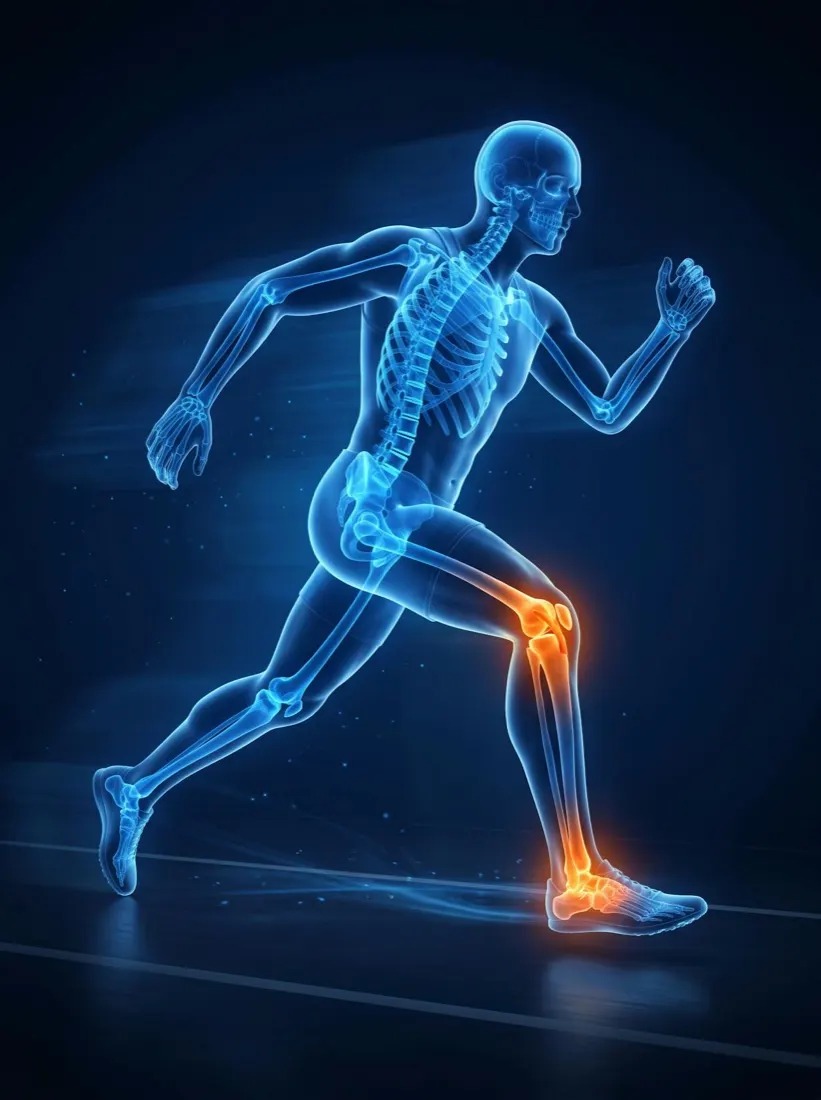
Orthopaedic injuries after accidents include:
How these injuries happen:
- Direct impact: the body hits the dashboard, steering wheel or road
- Indirect impact: the body is thrown forward or back and limbs strike other objects
- Twisting or rotational forces, for example when a vehicle spins
- Falls from two-wheelers onto an outstretched hand or the knee
- Crush injuries to the legs and feet
- Injuries to several bones or joints at once
Treatment options after an accident
Treatment is planned around the injuries, your overall condition and the soft tissues around the bone.
How complex trauma is treated
Care follows a clear sequence, from the first assessment to full recovery:
- Emergency assessment. Life-threatening problems are treated first, and all injuries are identified with examination and imaging.
- Stabilisation. Fractures and dislocations are stabilised with splints, traction or an external frame to control pain and protect tissues.
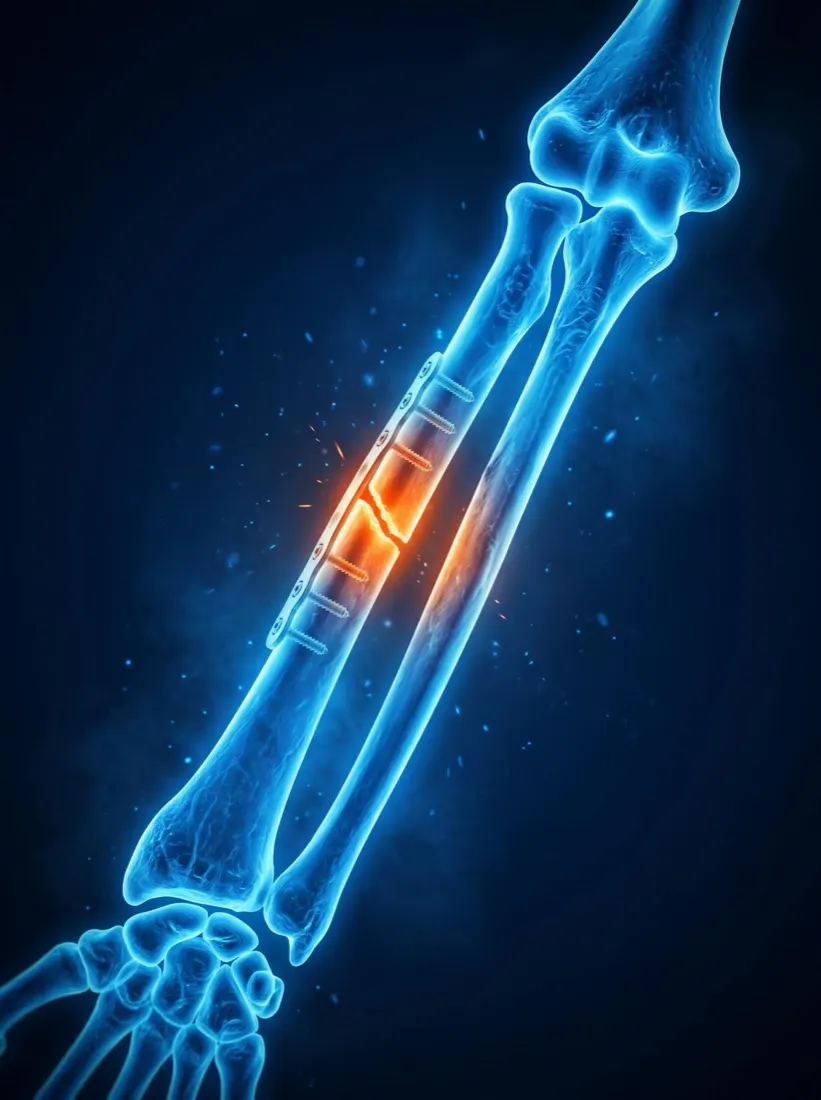
- Definitive surgery. When swelling and your condition allow, broken bones are fixed with plates, screws, rods or nails.
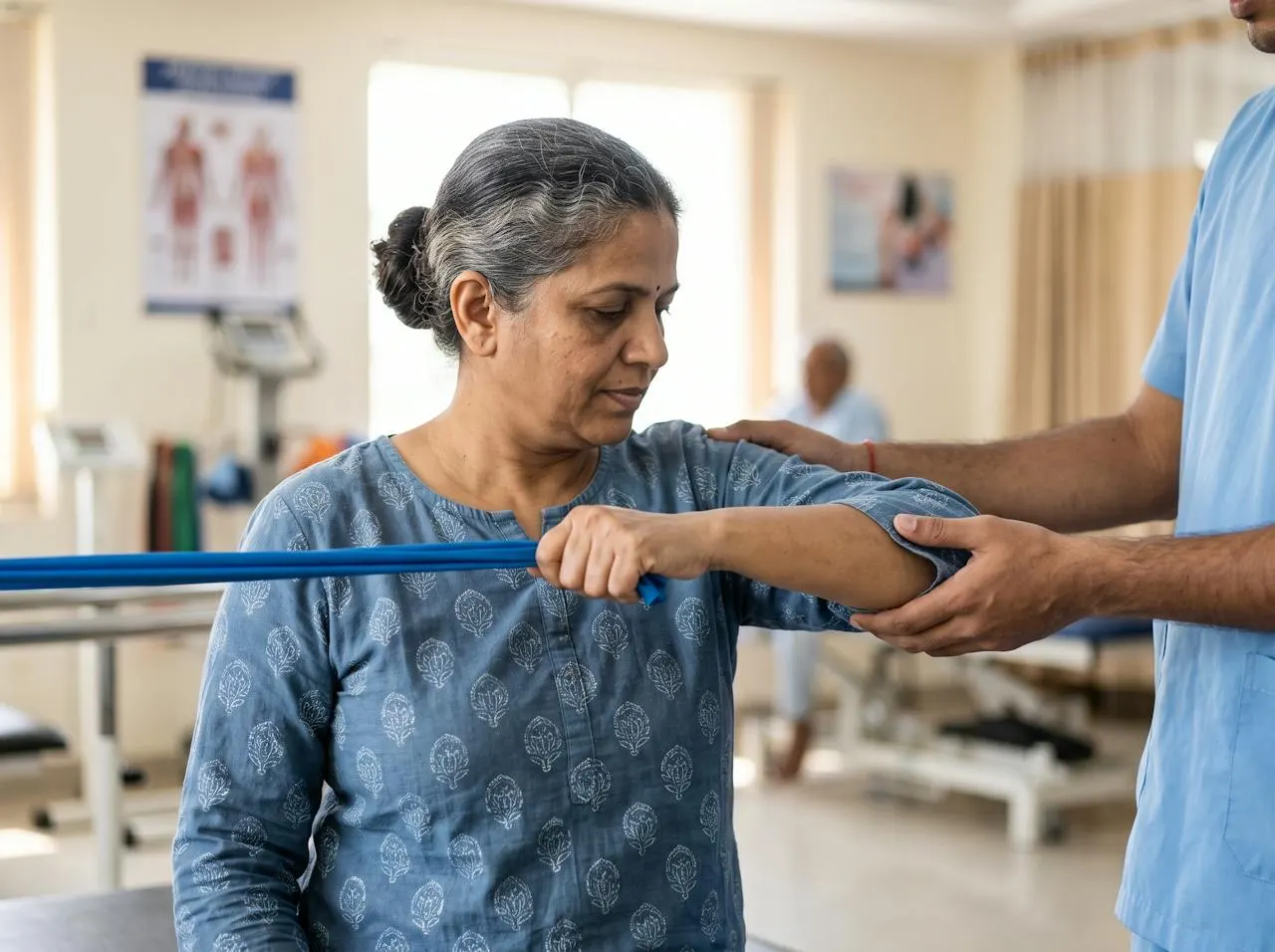
- Early mobilisation. Physiotherapy starts as early as it is safe, to prevent stiffness and complications.
- Long-term recovery. Follow-up X-rays, rehabilitation and support help you return to work and daily life.
Recovery support after trauma
Recovery after accident injuries
Recovery depends on the number and severity of injuries. Most patients improve steadily with surgery, rehabilitation and follow-up.
- First days Stabilisation and surgery Injuries are stabilised and, when appropriate, fixed surgically.
- Early rehabilitation Supported movement and wound care as bones begin to heal.
- Building strength Weight-bearing increases with X-ray checks of healing.
- Return to work Most patients return to normal activities; complex injuries can take longer.
After an accident
- Get checked even if you feel fine. Some fractures and ligament injuries are not obvious at first.
- Avoid untrained treatment. Bone setting without X-rays can lead to bones healing in the wrong position.
- Mind your wellbeing. Stress and anxiety after an accident are common; tell us so we can help.