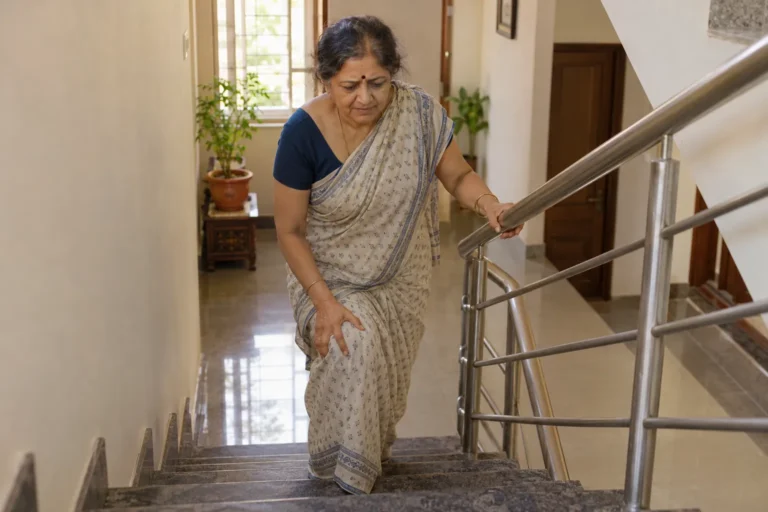
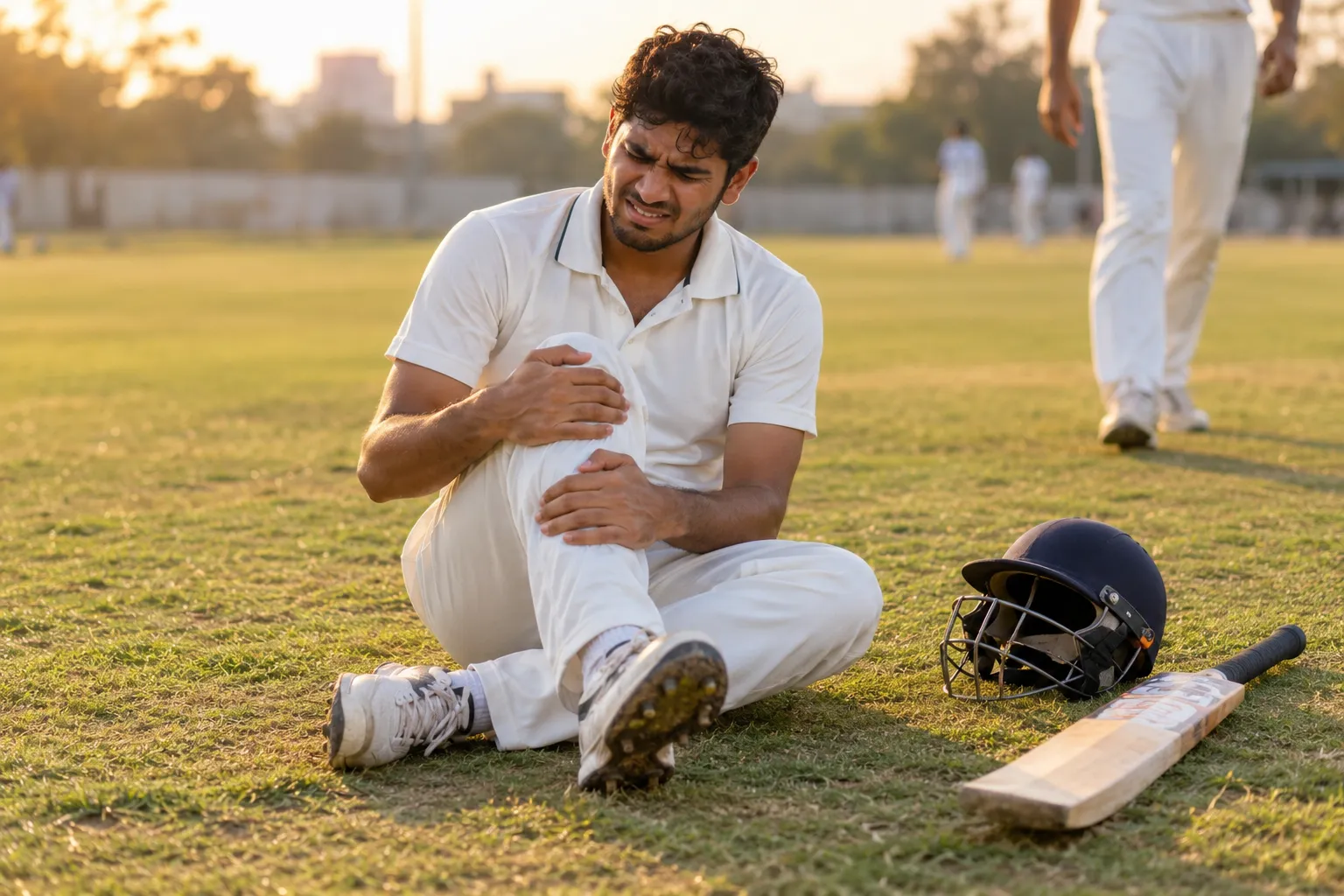
A twist while turning in a cricket match, a slip on wet stairs, or simply getting up from a squat. Many patients I see with a torn meniscus remember a small, ordinary moment, followed by pain on one side of the knee and swelling the next morning.
The first question is almost always, “Will I need an operation?” The honest answer is that many meniscus tears get better without surgery, and some do not. The type of tear, your age, and whether the knee locks make the difference. This guide explains how we decide.
What is the meniscus?
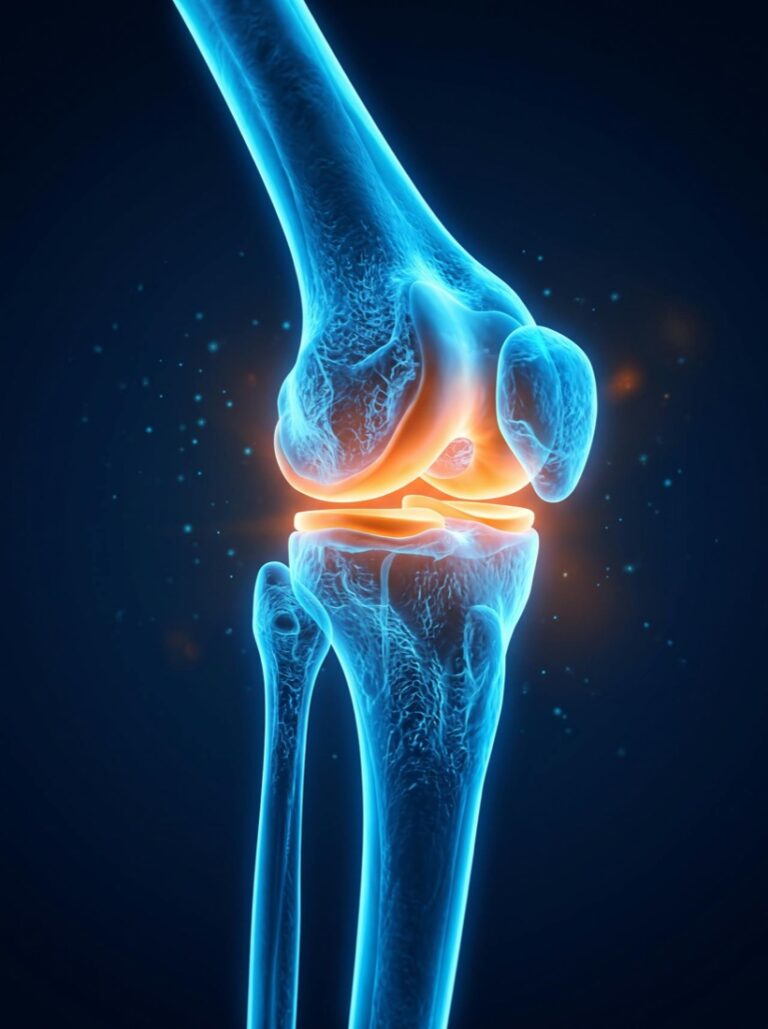
Each knee has two C-shaped pads of tough cartilage called menisci, one on the inner side (medial) and one on the outer side (lateral). They sit between the thigh bone and the shin bone, spread your body weight across the joint and help keep the knee steady. A healthy meniscus protects the knee from arthritis, which is why we try to save as much of it as possible.
Two very different kinds of tear
Injury tears happen in younger, active people, usually from a twisting movement with the foot planted. They are common in cricket, football, kabaddi, badminton and gym training, and often happen together with an ACL tear.
Wear-and-tear (degenerative) tears happen in people over about 40, as the meniscus becomes weaker with age. They can tear with very little force, such as getting up from the floor, and are often found together with early arthritis.
This difference matters, because the two types are treated differently.
Symptoms of a meniscus tear
- Pain on the inner or outer side of the knee, often worse when twisting or squatting
- Swelling that builds up over a day or two
- A catching or clicking feeling inside the knee
- Locking: the knee gets stuck and will not straighten fully
- The knee giving way
- Difficulty sitting cross-legged, squatting or using an Indian-style toilet
How a meniscus tear is diagnosed
The diagnosis starts with a careful examination. Specific tests that gently bend and rotate the knee help show which meniscus is torn and whether a ligament is also injured. An X-ray checks the bones and any arthritis. An MRI scan shows the tear, its size and its position, and whether there is damage to the ACL or cartilage.
One important point: MRI scans of people over 40 often show meniscus tears that are not causing any pain. An MRI result on its own is not a reason for surgery. It has to match your symptoms and the examination.
When physiotherapy is the right first step
For many patients, especially those over 40 with a wear-and-tear tear, a structured programme of physiotherapy is the best first treatment. Research has shown that for these tears, physiotherapy often gives results as good as key hole surgery.
Physiotherapy is usually the right start when:
- The tear is degenerative and the knee does not lock
- The tear is small, or in the outer part of the meniscus that has a good blood supply
- Pain and swelling are settling over the first few weeks
- There is early arthritis along with the tear
A typical plan includes rest from painful activity, ice, short courses of pain relief, and physiotherapy to strengthen the thigh and hip muscles and restore movement. Most patients notice steady improvement over six to twelve weeks. In selected patients with arthritis, a joint injection may also help.
When surgery is the better choice
Surgery is worth considering when:
- The knee is locked. A large “bucket-handle” tear can flip into the joint and block movement. This needs prompt treatment, ideally within days to weeks.
- You are young and active with an injury tear that can be repaired.
- The meniscus tear comes with an ACL tear, especially in sportspeople.
- Symptoms continue after a proper course of physiotherapy, with catching, swelling or giving way.
Meniscus repair or meniscus trimming?
Meniscus surgery is done through key hole surgery (arthroscopy), using a small camera and instruments through two or three small cuts around the knee. There are two main options.
Meniscus repair. The torn edges are stitched together so the meniscus can heal. This saves the meniscus and protects the knee from early arthritis, so we repair whenever the tear allows, especially in younger patients. Recovery takes longer, with protected weight bearing and a brace for some weeks, and a return to sport usually over four to six months.
Partial meniscectomy (trimming). When a torn piece cannot heal, only the damaged part is carefully trimmed and the healthy meniscus is left in place. Recovery is quicker, and most patients walk the same or next day and return to normal activities within a few weeks.
The choice depends on where the tear is, its pattern, and the quality of the tissue. It is often confirmed during the arthroscopy itself, and we discuss both possibilities with you before surgery. Learn more on our meniscus tear treatment page.
What happens if a meniscus tear is ignored?
Many small tears settle well, so not every tear needs urgent treatment. But a locked knee left untreated, or a large unstable tear in a young person, can damage the joint cartilage over time. Repeated swelling and giving way can also injure other structures in the knee. If your knee locks, keeps swelling or keeps giving way, see a specialist rather than waiting for it to settle.
Returning to sport
Whether you play cricket on weekends, train in the gym or run on the roads around Kompally and Secunderabad, the goal is the same: a strong, stable knee before you return. Rehabilitation moves step by step from movement and strength to balance, running and sport-specific drills. Returning too early is one of the most common reasons for a second injury. Our sports injury treatment page explains how we plan the return to play.
Frequently asked questions
Can a torn meniscus heal on its own?
Tears in the outer part of the meniscus, which has a blood supply, can heal. Tears in the inner part usually do not heal, but many still become painless with physiotherapy as the knee settles and the muscles get stronger.
Can I walk with a torn meniscus?
Most people can walk, though it may be painful. If the knee locks and will not straighten, avoid forcing it and see an orthopaedic surgeon soon.
Is meniscus surgery a major operation?
It is done through key hole surgery with small cuts. Many patients go home the same day or the next day. Recovery time depends on whether the meniscus is repaired or trimmed.
Do I need an MRI for knee pain after a twist?
Not always. If the knee locks, swells a lot or gives way, or if pain does not improve after a few weeks, an MRI helps plan treatment. Your doctor will advise after an examination.
Will a meniscus tear lead to arthritis?
Losing a large part of the meniscus increases the load on the knee cartilage and can raise the risk of arthritis over the years. This is why saving the meniscus, by repair where possible, is important.
See a knee specialist in Kompally, Secunderabad
If your knee is swollen, catching or locking after a twist, an early assessment helps you avoid unnecessary surgery and get the right treatment when it is needed. Dr. Arun Dev, a shoulder and knee arthroscopy surgeon, sees patients at Renova Hospital, Medchal Road, Kompally, Monday to Saturday, 9 am to 8 pm. Call or WhatsApp +91 86187 27200 or book an appointment online.
This article is general information and is not a substitute for a consultation. Please see a doctor about your own condition.