“Will there be a big cut? How many days in hospital? When can I go back to work?” These are the first questions most patients ask when they hear the words key hole surgery. The answers are usually reassuring. Knee arthroscopy is one of the most common orthopaedic operations, and most patients are walking within a day.
This guide explains what knee arthroscopy is, why it is done, what happens on the day and how recovery usually goes, so that you can walk into the hospital knowing what to expect.
What is knee arthroscopy?
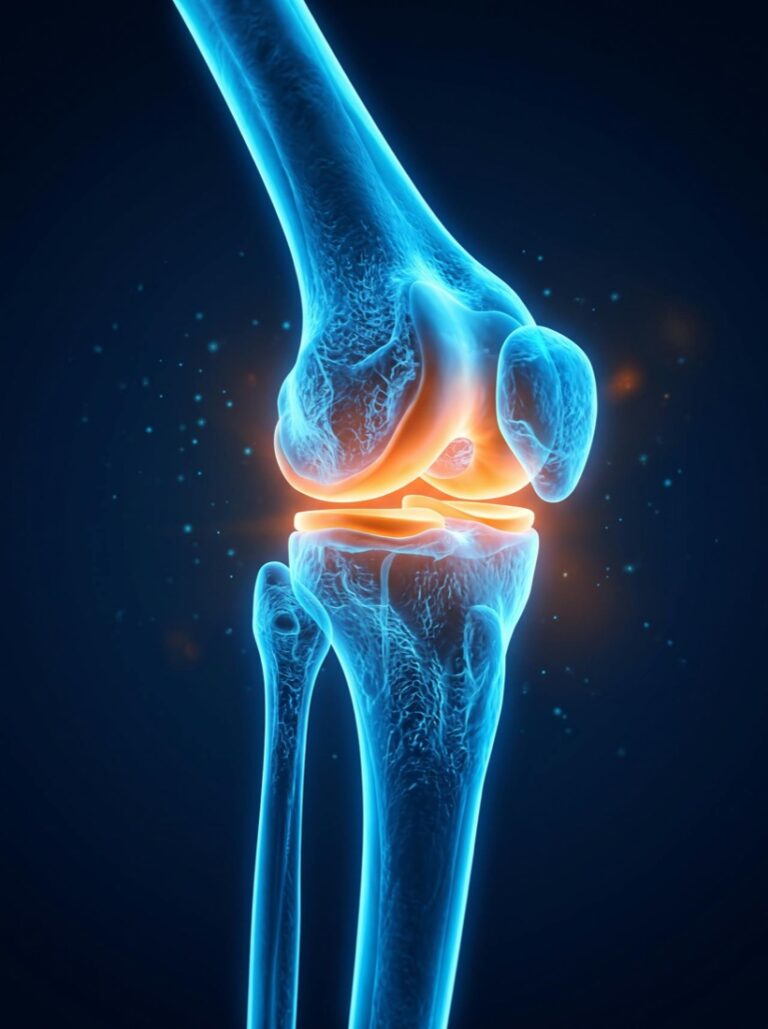
In arthroscopy, the surgeon looks inside the knee with a thin camera, about the width of a pencil, passed through a small cut. The picture is shown on a screen, and fine instruments are passed through one or two other small cuts to repair or trim what is damaged. Because the cuts are small, there is usually less pain, a smaller scar and a quicker return to daily life than with open surgery.
Why is it done?
Knee arthroscopy is used to treat problems inside the joint, most often after a sports injury or a twist. Common reasons include:
- Meniscus tears, where the torn part is repaired or carefully trimmed. See our meniscus tear treatment page.
- ACL tears, where the torn ligament is replaced with a graft. Read ACL tear: do you always need surgery?
- Loose pieces of bone or cartilage that make the knee catch or lock
- Cartilage damage in selected younger patients
- Kneecap problems, such as a kneecap that keeps slipping out of place
Arthroscopy is not a cure for established knee arthritis. For worn-out knees, other treatments, including knee preservation surgery or replacement, are usually more helpful.
Before the surgery
Your surgeon will examine the knee and review your MRI. Before the day, you will usually have blood tests, an ECG and a check by the anaesthetist, especially if you have diabetes, blood pressure or heart problems. You will be told when to stop eating and drinking, and which regular medicines to continue or pause. Blood thinners need special advice, so mention them early.
It helps to start simple exercises before surgery if the knee allows, such as tightening the thigh muscle and lifting the straight leg. Strong muscles make recovery quicker.
On the day of surgery
- Anaesthesia. Most knee arthroscopies are done with spinal anaesthesia, where you are numb from the waist down, or general anaesthesia. The anaesthetist will discuss which is best for you.
- The operation. The surgeon makes two or three small cuts around the knee, examines the whole joint and treats the problem. A simple procedure may take less than an hour. Ligament reconstruction takes longer.
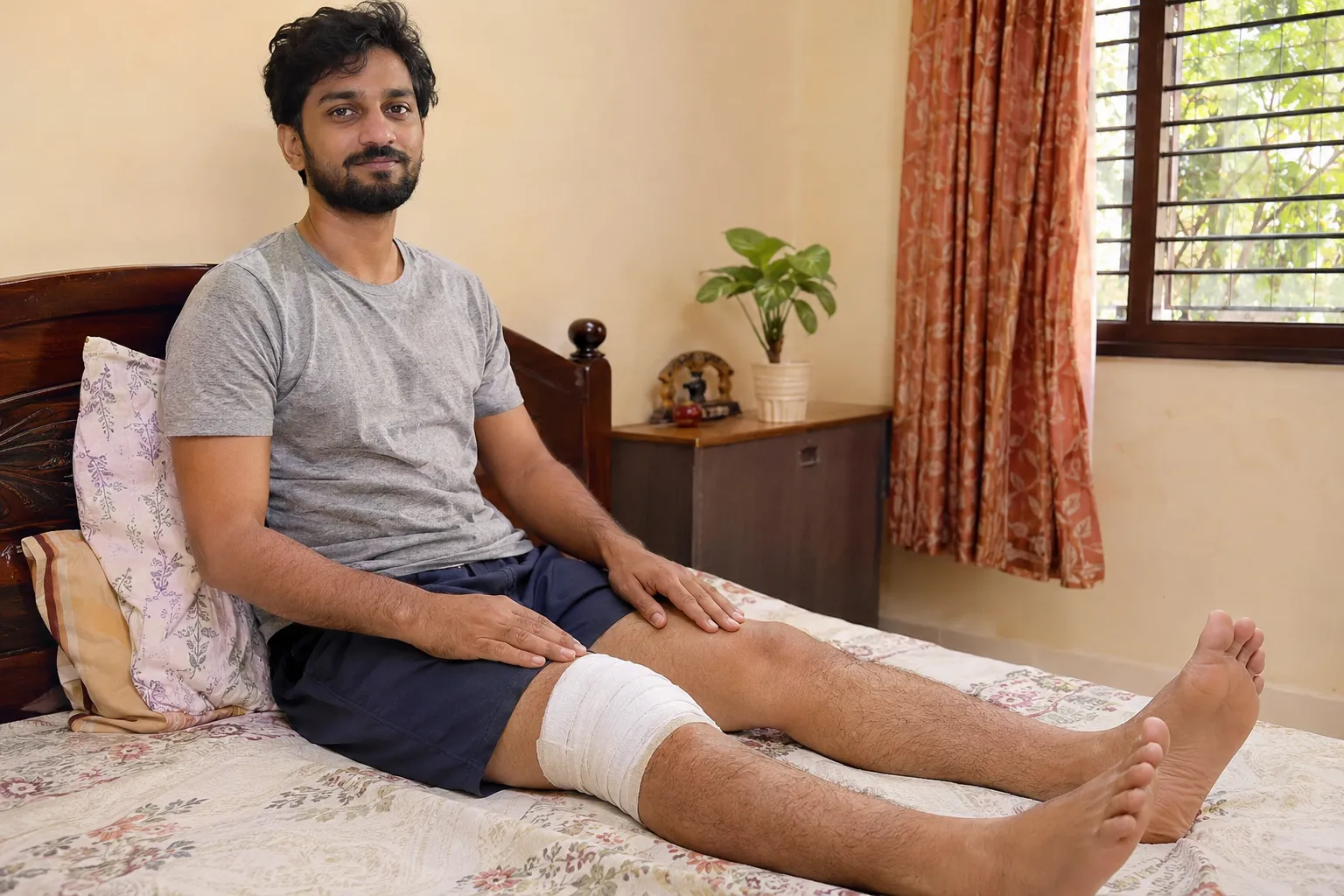
- After the operation. The cuts are closed with a few stitches and covered with a dressing. Some patients wear a knee brace, depending on what was done.
How long will I stay in hospital?
Many patients go home the same day or the next day. Patients who have ligament reconstruction or a meniscus repair may stay a little longer so that pain is well controlled and walking is safe before going home.
Recovery: what usually happens
Recovery depends on what was done inside the knee. Trimming a torn meniscus is very different from rebuilding a ligament. As a general guide:
| Procedure | Walking | Usual return to daily activities |
| Meniscus trimming or loose body removal | Same day or next day | A few weeks |
| Meniscus repair | With support and protected weight bearing | Several weeks, sport after some months |
| ACL reconstruction | With support within days | A few weeks, sport around 9 months |
Swelling is normal for the first few weeks. Keeping the leg raised, using ice packs and doing the exercises taught by the physiotherapy team make a big difference. The stitches are usually checked at your follow-up visit.
When to call the hospital
- Fever, or the wound becomes red, hot or starts to discharge
- Pain or swelling that keeps getting worse instead of better
- Pain and swelling in the calf, or sudden breathlessness
Breathlessness or chest pain after surgery needs emergency care straight away.
Frequently asked questions
Is knee arthroscopy painful?
You will not feel pain during the operation. Afterwards there is some discomfort for a few days, which is controlled with medicines, ice and rest.
When can I climb stairs after knee arthroscopy?
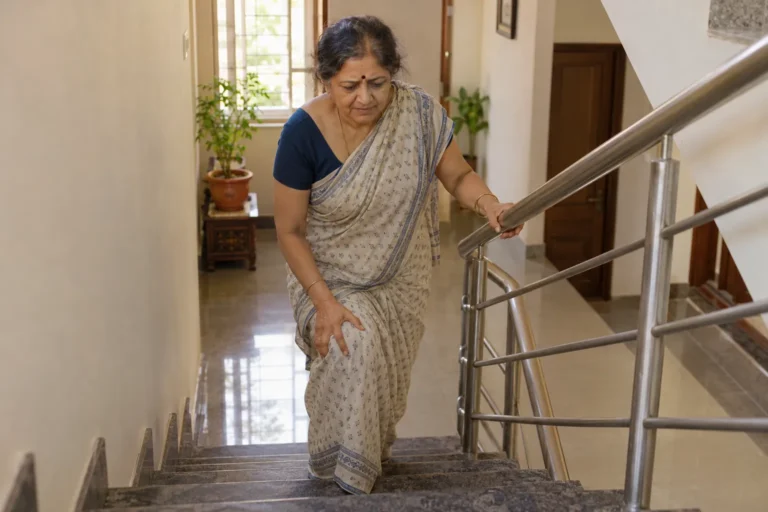
Most patients manage stairs slowly within a few days of a simple arthroscopy, using the railing. After ligament surgery it takes longer, and the physiotherapist will show you the safe way.
When can I go back to work?
People with desk jobs often return within one to two weeks after a simple arthroscopy. Jobs that involve standing, walking or lifting take longer, especially after ligament reconstruction.
Will I need physiotherapy?
Yes. Exercises restore movement and strength, and they are a big part of the final result, particularly after meniscus repair or ACL reconstruction.
Key hole knee surgery in Kompally, Secunderabad
Dr. Arun Dev is a shoulder and knee arthroscopy surgeon at Renova Hospital, Medchal Road, Kompally. He performs key hole surgery for ACL tears, meniscus tears and other knee injuries, and explains every option, including treatment without surgery, before any decision is made. Patients come from Secunderabad, Alwal, Bowenpally, Suchitra and across north Hyderabad. OPD runs Monday to Saturday, 9 am to 8 pm. Call or WhatsApp +91 86187 27200 or book an appointment online.
This article is general information and is not a substitute for a consultation. Please see a doctor about your own condition.