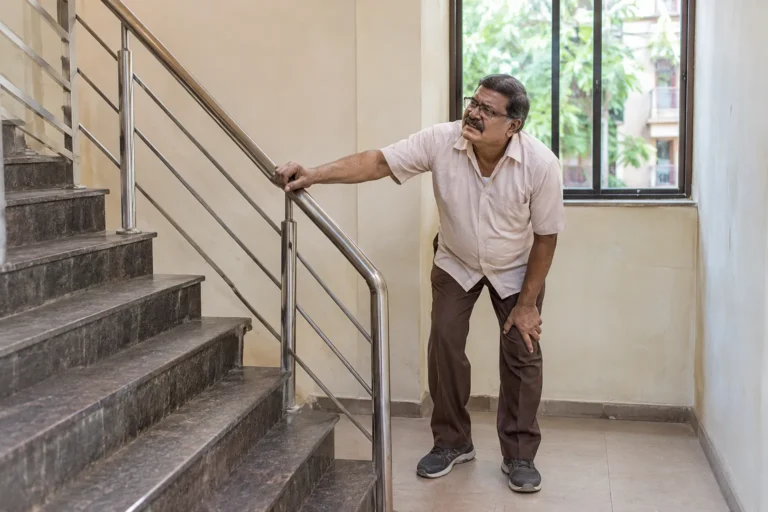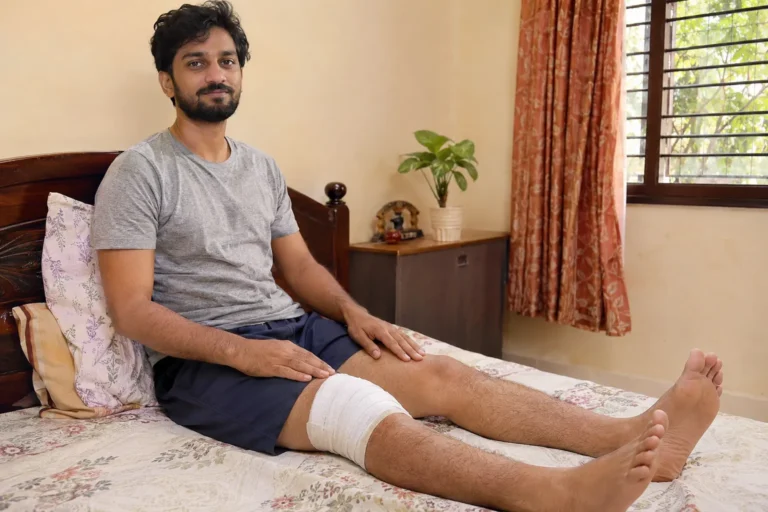
For most people, the decision to have a hip replacement comes after months or years of pain: trouble walking, sleeping, putting on socks or getting in and out of a car. Once the decision is made, the next question is usually about recovery. How soon will I walk? When can I go home? When can I climb stairs again?
Every patient recovers at their own pace, but knowing the usual stages makes the journey far less worrying. This guide explains what typically happens after a hip replacement.
Why hip replacement is done
Hip replacement replaces a worn or damaged hip joint with an artificial one. The most common reasons are osteoarthritis, damage after a hip fracture, avascular necrosis (where the bone of the hip loses its blood supply) and inflammatory arthritis. Younger patients with early damage may have other options, such as hip preservation surgery. Learn more on our hip replacement page.
In hospital
Most patients stand and take their first steps with a walker within a day or so of surgery, with the physiotherapy team beside them. Pain is controlled with medicines so that you can move. Before going home, you learn to walk safely with support, get in and out of bed and use the toilet.
The recovery stages
| Stage | What usually happens |
| First days | Walking with a walker, pain control, learning safe movements |
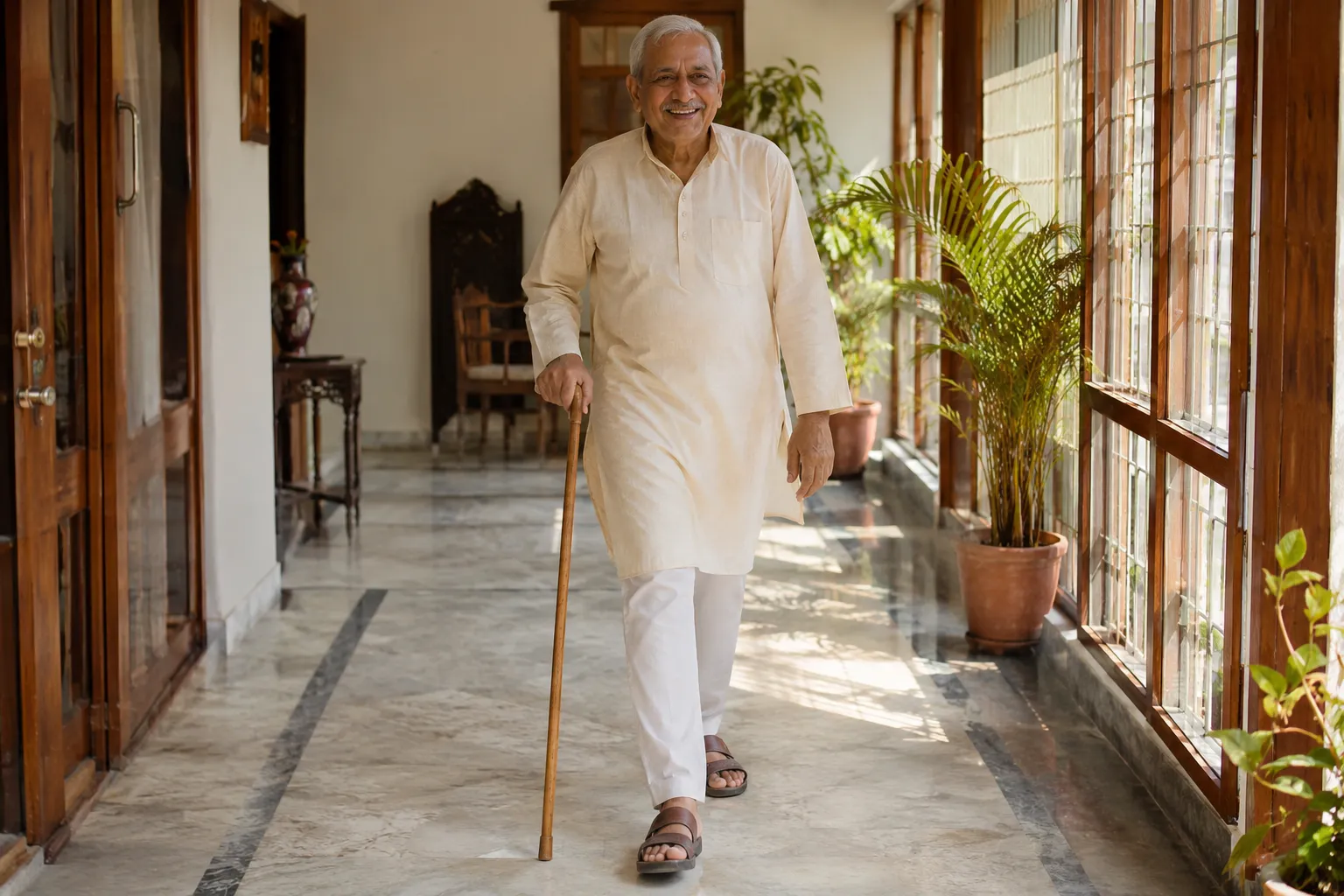
| Weeks 2 to 6 | Walking further each day, moving from a walker to a stick, home exercises |
| Weeks 6 to 12 | Walking without support for most people, stairs with more confidence, return to many daily activities |
| 3 months and beyond | Continued gains in strength and stamina, return to longer walks and light activities |
These are general timelines. Your surgeon and physiotherapist will guide your own plan.
At home: what helps
- Do your exercises every day. The physiotherapy programme is the single biggest factor in how well the new hip works.
- Walk a little, often. Short, regular walks are better than one long walk.
- Make the home safe. Remove loose rugs, keep a light on at night and keep things you need within easy reach.
- Use a higher seat. A firm chair with arms and a raised toilet seat make sitting and standing easier in the early weeks.
- Follow movement advice. Your surgeon will tell you which positions to avoid for the first weeks, such as very low seats or crossing your legs, depending on how the surgery was done.
Common questions about daily life
- Stairs: taught before you leave hospital, one step at a time with the railing.
- Driving: usually after several weeks, once you can move your leg freely and stop strong pain medicines. Ask your surgeon first.
- Work: desk work often after a few weeks; physical jobs take longer.
- Sitting on the floor: discuss this with your surgeon, as it depends on your hip and the surgical approach.
When to call the hospital
- Fever, or redness, warmth or discharge from the wound
- Increasing pain, or a hip that suddenly feels out of place
- Calf pain and swelling, or sudden breathlessness
Breathlessness or chest pain needs emergency care straight away.
Frequently asked questions
How long does a hip replacement last?
Modern hip replacements last many years in most patients. Staying active, keeping a healthy weight and avoiding falls help the joint last longer.
Is robotic hip replacement different?
Robotic-arm assisted hip replacement helps plan and position the implant precisely for your hip. Recovery steps are broadly similar. Whether it suits you is discussed at your consultation.
Will I need a walking stick for life?
No. Most people stop using a walker or stick within weeks, once balance and strength return.
Can I return to walking and light sport?
Yes. Walking, swimming and cycling are encouraged once your surgeon agrees. High-impact sports are usually discussed individually.
Hip replacement in Kompally, Secunderabad
Dr. Arun Dev performs hip replacement, including robotic-arm assisted surgery, at Renova Hospital, Medchal Road, Kompally, and works with the physiotherapy team through every stage of recovery. Patients come from Secunderabad, Alwal, Bowenpally, Suchitra and across north Hyderabad. OPD runs Monday to Saturday, 9 am to 8 pm. Call or WhatsApp +91 86187 27200 or book an appointment online.
This article is general information and is not a substitute for a consultation. Please see a doctor about your own condition.